










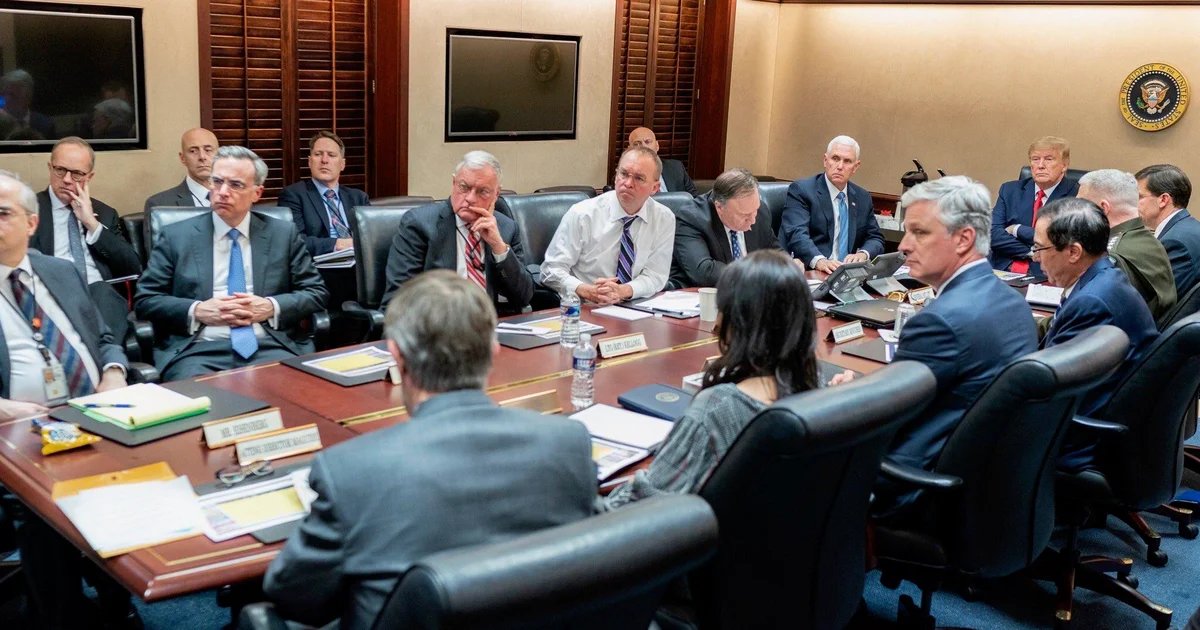



















On February 28, 2026, the U.S combined with Israel forces in a mission called “Operation Epic Fury” that launched massive air strikes on Iran designed to destroy their nuclear, missile, and naval capabilities. This included attacks on Iranian military sites in Isfahan, Karaj, Tabriz and more. These strikes resulted in the death of Iran’s supreme leader Ayatollah Ali Khamenei, who many Iranians and U.S citizens blamed for making Iran an Authoritarian Theocracy which used strict Islamic laws to limit personal freedoms. Shortly after the initial strikes, U.S President Donald Trump addressed the nation in a speech. In this speech President Trump referenced past Iranian wrongdoings such as the Iranian hostage crisis in 1979, Iran’s killing of U.S soldiers during the Iraq war, and its arming of terrorist organizations such as Hamas to justify the attacks. Crucially, President Trump emphasized the importance of preventing Iran from creating nuclear weapons. “It has always been the policy of the United States, in particular my administration, that this terrorist regime can never have a nuclear weapon” Trump said during the speech. “They’ve rejected every opportunity to renounce their nuclear ambitions, and we can’t take it anymore” Trump said. Later in his speech, President Trump urged the people of Iran to overthrow the current regime after it had been taken out by U.S action, promising them a “ prosperous and glorious future” if done so.
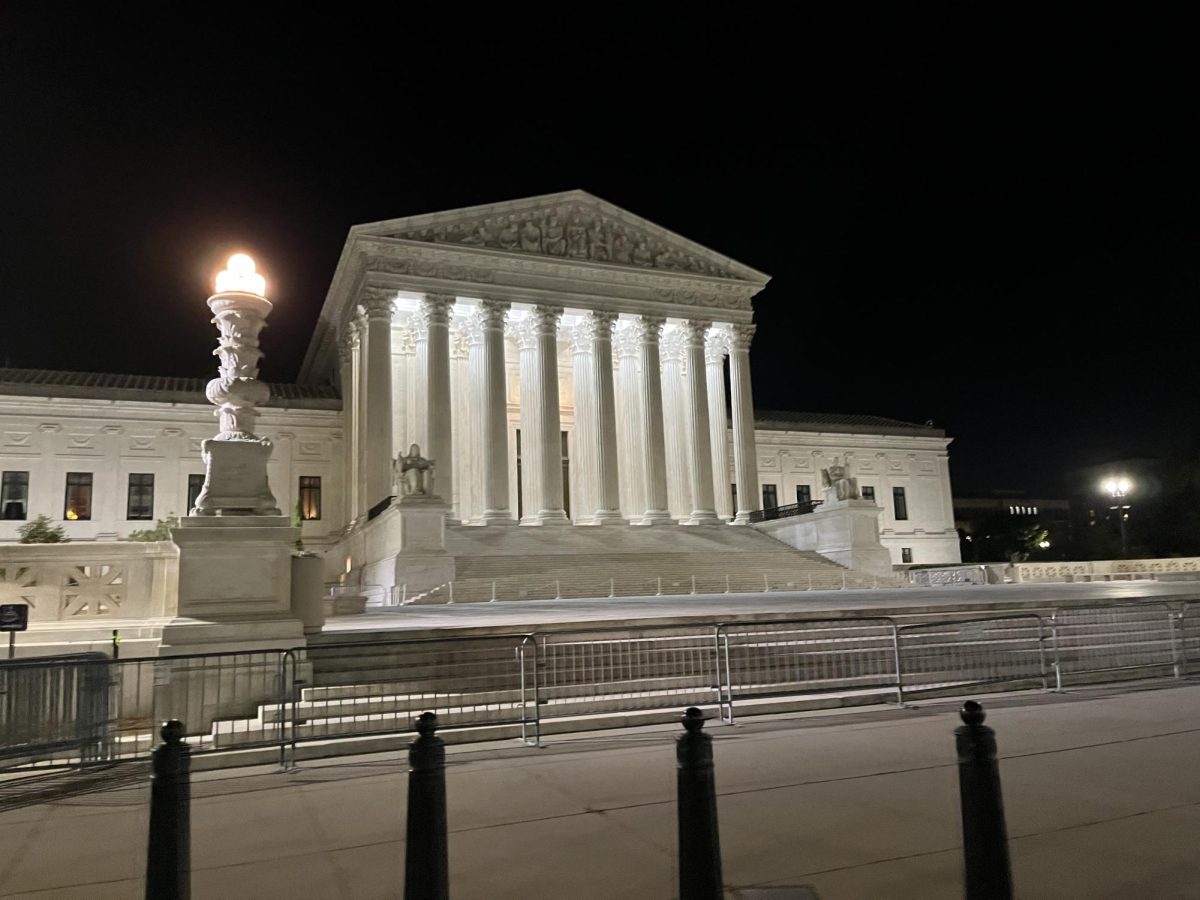
Although the majority of the Democratic party believe Iran “must be aggressively confronted for its human rights violations, nuclear ambitions, support of terrorism and the threat it poses to our allies” according to Democratic leader Hakeem Jeffries, the Democratic party also feels that Trump’s decision to bomb Iran without direct congressional approval and transparency are huge oversteps of executive branch authority and that the rapidly escalated use of military force to protect U.S interests was unjustified and represented a fallback to imperialistic tendencies that will only lead to harsh retaliation. “ Donald Trump failed to seek Congressional authorization prior to striking Iran. Instead, the President’s decision to abandon diplomacy and launch a massive military attack has left American troops vulnerable to Iran’s retaliatory actions.” Said Jeffries. As of now, Iran has fired missiles and coordinated bomb drones on multiple U.S Gulf military bases, with the governments of Jordan, Kuwait, Bahrain, Qatar, and the UAE all reporting Iran targeting. “If [President Trump] seeks escalation, it is precisely what our Powerful Armed Forces have long been prepared for, and what he will get,” Iranian Secretary Ali Larijani said in an online post after Trump promised continuation of bombing and possible troop deployment. Because of this, many Americans have become weary of intensified war efforts as opposed to democratic relations and peace.
On the other hand, the Republican party has given strong praise for President Trump’s military efforts. Contrasting Democrat beliefs, Republicans claim that Trump attempted peaceful negotiations with Iran multiple times before resorting to military conflict. “President Trump gave IRAN PLENTY OF NEGOTIABLE OPPORTUNITY,” Republican Senator Chuck Grassley said. President Trump has also repeatedly called for those in Iran to use this conflict to regain control, stating in a Truth Social post how the war “is the single greatest chance for the Iranian people to take back their country.” But despite President Trump saying this and saying how this war marked “the beginning of building a new country.” other Republicans like House Speaker Mike Johnson have explicitly stated that they do not support Nation-Building in Iran with U.S support. “That’s not our responsibility,” Johnson said in an interview. These differing viewpoints from within the Republican party on the Iran conflict have caused both internal division and confusion from the public on what the outcome or goal of the war will be.
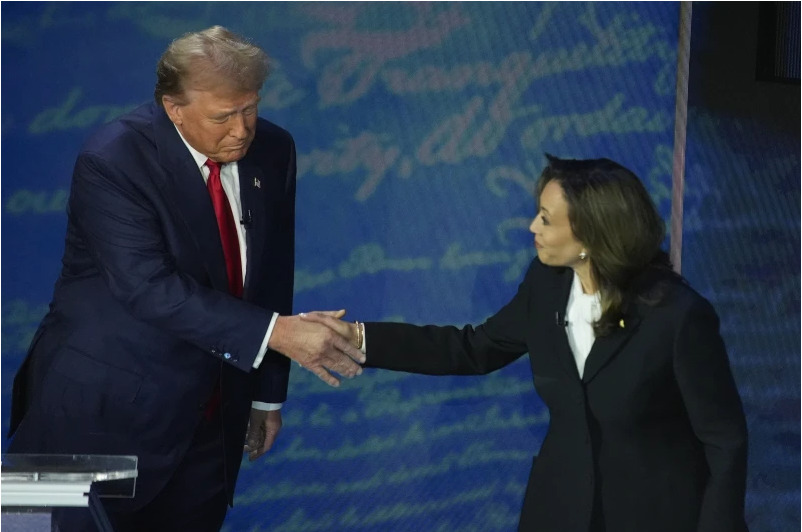
As the war in Iran continues, both parties maintain their division on yet another topic dealing with their views on what the role of the U.S should be in foreign affairs.


