












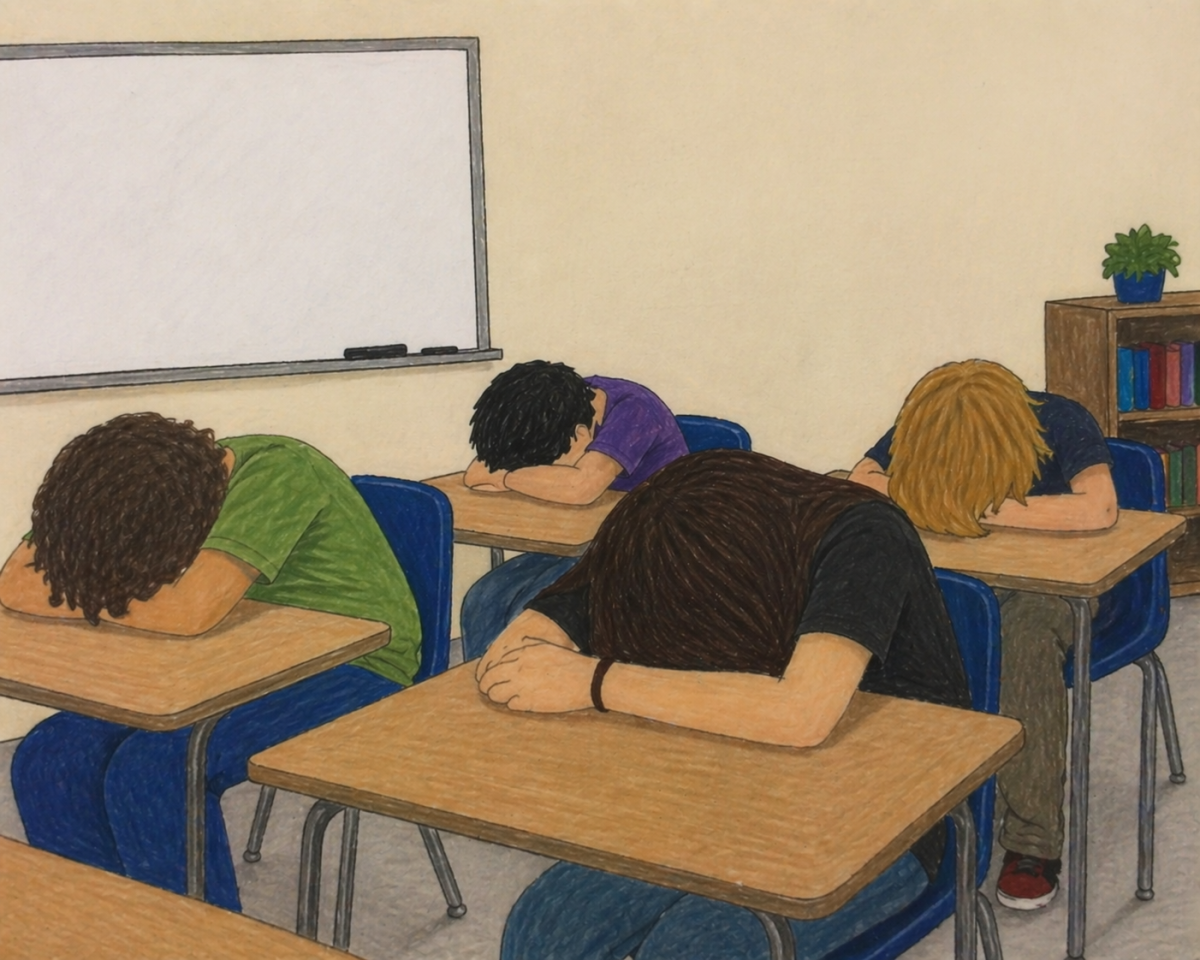
















Walking into any classroom, you’ll likely see someone with a bright colored Alani Nu can on a desk. From flavors like “Cotton Candy” to “Hawaiian shaved ice,” this brand found an outlet for the perfectly appealing drink to high school students. Many students say it helps them stay focused and awake during a long period of schoolwork.
“It keeps me energized, so I stay awake in class,” junior, Ruby Fagan said.
The popularity originally started from the impact of social media influence. Students see this fun drink online and think it is what they need, whether it’s good or not.
“I really just drink it for the taste. I don’t need it to stay awake,” junior, Rumaysa Azem said.
She usually gets six to seven hours of sleep on school nights and first started drinking Alani after seeing it grow popular on social media. The cost of social media greatly impacts teens, and Alanis just so happens to be the next big thing for students.
“When I drink Alani’s during class, they help me maintain focus and keep me awake during the day,” junior, Sarah Baressi said.
But even though the flavors and colors bring everyone’s eyes to these cans, the numbers and negative effects tell a whole different story. A 12 oz can may seem small, but the 200mg of caffeine within the yummy drink is dangerous for teens to consume. Riley’s Children’s Hospital suggests that children ages 12 to 18 shouldn’t have more than 100 milligrams of caffeine per day. Drinking an Alani is double the recommended amount of caffeine and can have common side effects of jitters, stomach pain, headaches, and increased heart rate. This can impact students’ ability to do their best in school from a seemingly innocent, popular drink. While these bright colored, trendy drinks are a staple in school classrooms, students need to decide whether the fun of an aesthetic drink is worth the long term health problems of high caffeine consumption.